On the same day the Electric Reliability Council of Texas’ board of directors moved to nearly double its CEO’s salary, board members also signed off on a 30% pay bump, according to newly disclosed information about the raises.
Read more UT-Austin cutting majors centering Latino, Black, women and gender studies, email shows
Lt. Gov. Dan Patrick is now calling for the ERCOT board to undo the raises.
“My suggestion to them is to reverse their own increase,” Patrick wrote in a statement Thursday. “If they do not want to serve, I am sure there are plenty of public-service minded Texans who are willing to take their place.”
Patrick’s rebuke of the board comes after he said on Wednesday that he had lost faith in the leadership of board chair Bill Flores after the board had approved and then backtracked on also increasing CEO Pablo Vegas’ earnings.
While voting for the CEO raise, board members also approved a raise for themselves that would result in an average annual pay of $219,375, a 30% increase from the previous average of $169,375, according to board documents. ERCOT is indirectly funded by electricity customers, who have experienced a 40% average increase on their electricity bills.
The raises, effective Oct. 1, amount to a $50,000 annual increase for the board’s seven members, who meet four times a year, and an additional $5,000 raise for Flores, according to a board presentation. The board’s directors already receive $160,000 in annual compensation, and Flores receives an additional $35,000 each year in his role as chairman, according to the board policies and procedures.
ERCOT operates as a nonprofit and is funded mostly by an administration fee of $0.61 per megawatt-hour, which is paid directly by retail electric providers and municipal utilities and typically passed on to their customers. ERCOT anticipates nearly $486 million in revenue in 2026, according to its 2026-2027 biennial budget.
Statewide, electric rates have risen about 40% on average since 2020, and November’s elections have been centered on rising prices across much of the economy, including energy.
The controversy began late Tuesday after The Texas Tribune reported ERCOT’s board had approved a contract for the organization’s president and CEO, Pablo Vegas, that could allow him to earn up to $6.4 million next year. Patrick, responding on social media to The Tribune article, said he had called both Flores and Public Utility Commission Chairman Thomas Gleeson and directed them to reverse Vegas’ raise and contract extension, and that they had done so.
However, Vegas, in an interview with The Tribune that night, said no official vote had taken place to reverse the board approval of his contract. Rather, ERCOT and Vegas had not yet signed the new contract following the vote and Patrick’s intervention.
Patrick weighed in again Wednesday evening, writing on social media he had “lost total confidence and trust in ERCOT Board Chair Flores to look out for Texas ratepayers and to be the Chair of the ERCOT board.”
Responding to a Houston Chronicle article about the controversy, Patrick said Flores had changed his story multiple times about the status of the contract’s approval and his previous communications with Patrick’s office about the contract, causing the lieutenant governor to lose confidence.
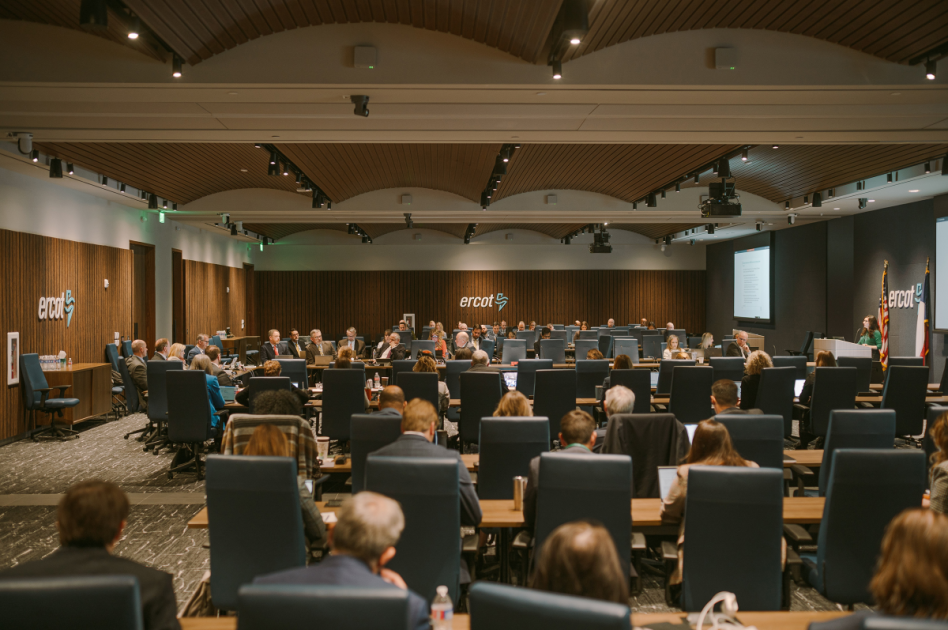
Previously unreported was the board’s vote on Tuesday to also increase their own pay. The vote was taken near the end of the regular meeting, before an executive session was held. Board members unanimously approved the measure, although Flores abstained from the vote, citing its direct impact on his pay.
Patrick said in his phone call with Gleeson and Flores on Tuesday, he also directed them to reverse the pay increase for ERCOT’s board members.
“On Tuesday, I was crystal clear with Chairman Gleeson of the PUC and ERCOT Board Chairman Bill Flores that neither the multi-million-dollar raise for ERCOT CEO Pablo Vegas nor the raise for the ERCOT Board members was acceptable to me,” Patrick wrote. “I told both chairs that passing either raise would erode the credibility of both the PUC and ERCOT with the public, myself, and the members of the legislature.”
ERCOT and the PUC did not respond to a request for comment Thursday.
The ERCOT board of directors sets the nonprofit’s policies and hires its CEO. Board members are appointed by a committee of three people selected by the governor, the lieutenant governor and the House speaker. Directors must be a resident of Texas, and they may not have a fiduciary duty to or own assets of a company operating within ERCOT, according to the board bylaws.
Currently, seven of the eight voting positions on the board are filled, and a search is underway for the final member.
The measure created a $150,000 “retention award” for each of the board directors that is paid out at the completion of their three-year term, according to documents presented at ERCOT Human Resources and Governance Committee on Monday. For current board members, the award will be prorated based on how far they are into their current term, meaning a director elected in January 2025 will receive $62,500 in January 2028.
The additional “board chair retainer” pay was bumped from $35,000 to $40,000 annually under the same measure, according to board documents, meaning Flores now stands to earn $250,000 each year.
Chairs of board committees also receive a $25,000 retainer each year, and the board’s vice chair receives a $15,000 retainer each year. Those amounts were not increased by Tuesday’s vote.
Board members of other nonprofit grid operators earn an average of $150,889, far below the new average ERCOT board pay of $219,375, according to a pay study conducted by an independent compensation consulting firm hired by ERCOT.
Amid rising electricity costs, the Texas Consumer Association, which advocates for lowering consumer costs, told Flores and the ERCOT board to “read the room” in a statement Thursday.
“As a quasi-public entity funded by fees ultimately paid by consumers, ERCOT must do better,” wrote TCA President Sandie Haverlah. “At a time of economic anxiety when a majority of Texans believe our state is off on the wrong track, it’s irresponsible to give six- and seven-figure raises to executives and board members.”
During a Monday presentation by the board’s consulting firm, Meridian Compensation Partners LLC, the raises were justified as necessary to retain top director talent while competing with other independent grid operators and the private sector. The board’s restriction on its members being affiliated with a company doing business within ERCOT makes it particularly difficult for the board to recruit and retain directors, the consultants said.
“That has made it challenging to retain directors because if an affiliated company were to come knocking, you can’t sit on both boards,” the consultant said. “That number of affiliated companies continues to grow, so this has led to real loss in directors.”
The consultants said their market analysis had also found that the board chair retainer had “fallen below where we typically target.”
Few comments were made by the board members prior to the approval of the raises on Tuesday.
Director Julie England, who also serves on the board of circuit board manufacturer TTM Technologies, said she did not believe the raises would accomplish their goal of retaining directors because the pay increases are not retroactive.
“It’s all prorated going forward,” England said. “There’s no look-back to the 5-year experienced directors, which is what I thought it intended to retain.”
Flores responded that the board had opted against retroactive pay raises for the board’s members because of the optics of such a measure.
“The challenge is, is it appropriate to pass something that does sort of a retroactive compensation pay for a director, and that’s the challenge we faced,” Flores said.
Read more $12 billion in Medicaid funds restored to Texas hospitals, ending impasse with the feds
About the Author